Best Time to Visit Tungnath & Chopta: Season Guide (2026)
When to visit Tungnath and Chopta in 2026: temple opening dates, snowfall months, trek conditions, and the best season for Chandrashila views. Month-by-month guide.
- Written by
- Uttarakhand Cab Team
- Updated
- July 18, 2026
- Reading time
- 8 min read
Local travel desk
Cab planning, road timing and fare clarity for Uttarakhand routes.
Want to see more from Uttarakhand Cab 24/7 on Google?
Add us as a Preferred Source and our travel guides get a visible badge whenever they show up in your Google Search, AI Overviews, or AI Mode results.
Add as Preferred Source →Why Timing Matters More at Tungnath Than Most Places
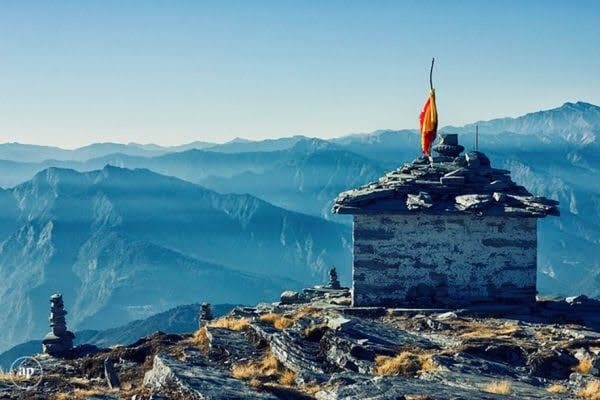
Tungnath is the highest Shiva temple in the world, sitting at around 3,680 metres above Chopta in Rudraprayag district. Two things make timing here trickier than a normal hill station: the temple itself is only open roughly six months a year (heavy snow shuts it through winter), and the final approach is a 3.5 km trek from Chopta, not a drive. So "best time" depends on whether you’re coming for temple darshan, the Chandrashila summit views, or the snow trek — they don’t all peak in the same months.
Temple Opening & Closing Dates for 2026
The Tungnath temple portal is set to open on May 2, 2026, with the closing date expected around November 4–5, 2026 (announced closer to the date by the Badri-Kedar Temple Committee). When the temple closes for winter, the deity is moved down to the Markandeya/Makkumath temple near Ukhimath, where worship continues — so if you visit in winter, that’s where darshan happens, not at Tungnath itself. Important distinction: the trek to Chopta and Tungnath stays open year-round; it’s only the temple doors that close.
Summer (May to June) — Peak Season, Best for Darshan
Right after the temple opens, this is the most popular window. Rhododendrons are in bloom along the trail, the meadows are green, and the weather is at its most comfortable for the climb.
- Weather: Pleasant days, cold mornings and evenings — carry a warm layer even in June.
- Crowd: Highest of the year, especially weekends. Reach the temple early morning for peaceful darshan and to trek down before afternoon weather rolls in.
- Good for: First-time visitors, families, and anyone wanting temple darshan with the easiest trail conditions.
Monsoon (July to Mid-September) — Green but Risky Roads
The Chopta region turns lush and the crowds thin, but the drive up is where the real caution lies. The mountain roads through Rudraprayag and Ukhimath to Chopta can see landslide-related delays and slippery stretches during active monsoon spells.
- Weather: Frequent rain, mist, limited visibility on the trek.
- Road conditions: Build in real buffer time and avoid night driving on the Chopta approach during active rain warnings.
- Note: Many sources single out August as a surprisingly pleasant window — greener meadows, and some years see a break in the heaviest rain. Still weather-dependent, so check conditions before committing.
Autumn (Late September to Early November) — Best Views
For the Chandrashila summit trek beyond Tungnath, this is arguably the finest window of the year: post-monsoon skies deliver the clearest panoramas of Nanda Devi, Chaukhamba, and the surrounding peaks. It’s also the tail end of the temple season before it closes.
- Weather: Crisp, clear, cold at night. First snow can arrive by late October at these altitudes.
- Crowd: Moderate, thinning as the closing date approaches.
- Good for: Photographers and trekkers chasing the sharpest Himalayan views. Aim to visit before the early-November temple closing if darshan matters to you.
Winter (Mid-November to April) — Snow Trek, Temple Closed
The temple is closed and buried under snow, but this is exactly when snow-trekking enthusiasts come for Chopta and Chandrashila. December to March are the reliable snowfall months, with January and February the heaviest.
- Weather: Freezing, heavy snow on the trail. A local guide is strongly recommended (often essential) for the snow-covered Tungnath–Chandrashila stretch.
- Temple: Closed — darshan happens at Makkumath/Ukhimath instead.
- Good for: Experienced winter trekkers and snow-seekers, not casual temple visitors.
Month-by-Month Quick Reference
| Period | Temple | Best for |
|---|---|---|
| May–June | Open | Darshan, easiest trail, blooms |
| Jul–mid-Sep | Open | Green views, but road-risk season |
| Late Sep–early Nov | Open (closes ~Nov 4–5) | Clearest Chandrashila views |
| Mid-Nov–April | Closed (snow) | Snow trekking only |
Frequently Asked Questions
1. What is the best time to visit Tungnath?
For temple darshan with the easiest conditions, May to June. For the clearest Himalayan views from Chandrashila, late September to early November. For snow trekking, December to March — but the temple is closed then.
2. When does Tungnath temple open and close in 2026?
The temple is set to open on May 2, 2026, and expected to close around November 4–5, 2026. The trek to Chopta and Tungnath itself stays open year-round; only the temple doors close for winter.
3. Can I visit Tungnath in August?
Yes — August is often surprisingly pleasant with green meadows, and some years see a break in the heaviest rain. That said, it’s still monsoon season, so check road conditions on the Rudraprayag–Chopta stretch before travelling.
4. Is there snow at Tungnath?
Yes, heavy snow from roughly December to March, with January and February the deepest. The temple is closed during these months, but the snow trek to Chopta and Chandrashila draws experienced trekkers — a local guide is strongly advised.
5. How far is the Tungnath trek from Chopta?
About 3.5 km each way from Chopta to the temple, climbing to roughly 3,680 metres. Most reasonably fit visitors manage it in 1.5–3 hours up, depending on pace and weather.
Continue planning
Related Guides
Common Uttarakhand Travel Queries
Need a cab for this plan?
Plan Your Chopta-Tungnath Trip with the Right Timing
We’ll get you to the Chopta trailhead on a fixed fare, timed around the temple calendar and current road conditions. WhatsApp us your travel dates for a quote.
Message on WhatsApp