Best Time to Visit Badrinath: Season & Temple Dates (2026)
When to visit Badrinath in 2026: temple opening and closing dates, month-by-month weather, the monsoon landslide risk, and the best window for darshan and clear views.
- Written by
- Uttarakhand Cab Team
- Updated
- July 18, 2026
- Reading time
- 8 min read
Local travel desk
Cab planning, road timing and fare clarity for Uttarakhand routes.
Want to see more from Uttarakhand Cab 24/7 on Google?
Add us as a Preferred Source and our travel guides get a visible badge whenever they show up in your Google Search, AI Overviews, or AI Mode results.
Add as Preferred Source →Why Badrinath Is a Six-Month Destination
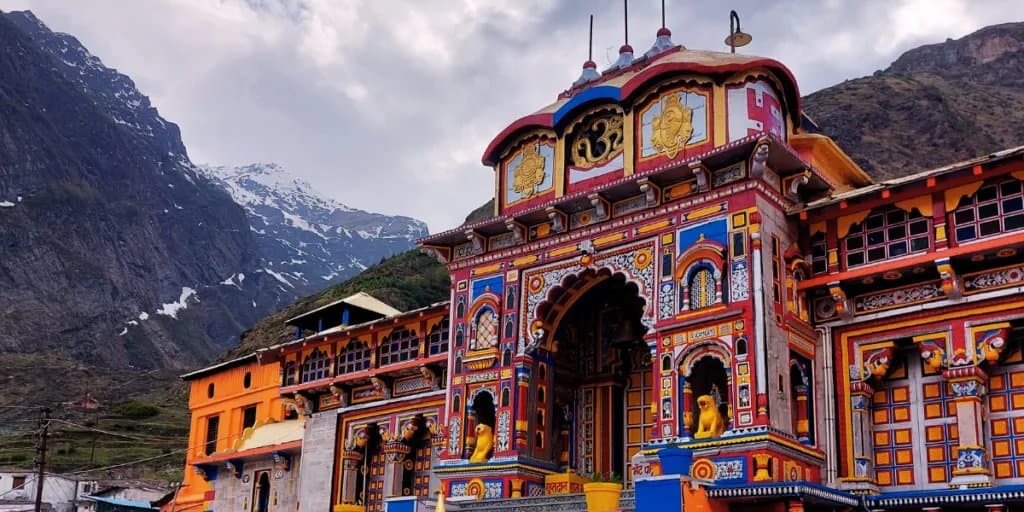
Badrinath sits at around 3,300 metres in Chamoli district, on the banks of the Alaknanda beneath Neelkanth peak. It’s the final and most revered stop on the Char Dham circuit — and because of heavy Himalayan snowfall, the temple is only open roughly six months a year. When it closes for winter, the idol of Lord Badri Vishal is moved down to the Yog Dhyan Badri temple in Pandukeshwar (near Joshimath), where worship continues. So unlike a hill station you can visit any time, Badrinath planning starts with one thing: the temple calendar.
Temple Opening & Closing Dates for 2026
For 2026, the Badrinath temple opening date has been officially announced as April 23, 2026, at 6:15 AM (confirmed on Basant Panchami in January). The closing date is tentatively around mid-November 2026, just after the Bhai Dooj festival — the exact date is announced later in the season on Vijayadashami by the Badrinath-Kedarnath Temple Committee. Because these dates shift slightly each year and can move with snowfall, always reconfirm the official announcement before locking travel. The temple also closes daily from roughly 1:00–4:00 PM for cleaning.
Opening Season (Late April to May) — Spiritually Charged
The opening weeks carry a special atmosphere, with peak devotional energy as the season begins. Weather is cold but manageable, and from the second week of May the crowds stabilise and conditions get more comfortable.
- Weather: Cold, roughly 5–15°C, clearing through May. Carry proper woollens even in May.
- Crowd: Very high in the opening week, then steadying.
- Good for: Pilgrims who want the charged opening-season experience and don’t mind the cold.
Summer (June) — Peak Season, Warmest & Busiest
June is the warmest and one of the busiest months — roads are fully clear, weather is at its most comfortable for all ages, and hotels fill up. Expect queues for darshan.
- Weather: Mild days (around 7–18°C), the most comfortable of the season.
- Crowd: Peak. Book cabs, hotels, and darshan slots well in advance.
- Good for: Families and senior citizens who want the gentlest weather, if you can handle the crowds.
Monsoon (July to August) — Open but Risky
The temple stays open, but this is the most hazardous window. The approach roads through Chamoli and Joshimath are landslide-prone during heavy rain, and delays or temporary closures are common.
- Weather: Frequent heavy rain, lush green surroundings, but unstable roads.
- Road risk: Real. Only travel with flexible plans and 1–2 buffer days, and check weather and road advisories daily.
- Good for: Only experienced, flexible travellers comfortable with the landslide risk — not recommended for tight schedules or first-timers.
Autumn (September to October) — Best Overall
For most travellers this is the sweet spot. The monsoon has cleared, skies turn extraordinarily crisp, temperatures are cool but pleasant, and crowds thin dramatically from the summer peak — the best combination of weather, darshan quality, and peace.
- Weather: Crisp and clear, cooling steadily. Early snow possible by late October.
- Crowd: Moderate and comfortable.
- Good for: Photographers, peaceful darshan, and anyone wanting the best all-round experience. Note November brings a rapid cold snap and the temple’s closing, so it suits only well-prepared mountain travellers.
Month-by-Month Quick Reference
| Period | Temple | Notes |
|---|---|---|
| Late Apr–May | Open | Opening energy, cold, busy first week |
| June | Open | Peak season, best weather, queues |
| Jul–Aug | Open | Monsoon, landslide risk |
| Sep–Oct | Open | Best overall: clear, calm |
| Mid-Nov–Apr | Closed (snow) | Worship at Pandukeshwar |
Frequently Asked Questions
1. What is the best time to visit Badrinath?
September to October is the best overall window — clear skies, pleasant cool weather, and thinner crowds after the summer peak. May to June is the other strong choice, especially for families wanting the mildest weather (with bigger crowds).
2. When does Badrinath temple open and close in 2026?
It opens April 23, 2026, at 6:15 AM, with closing tentatively around mid-November after Bhai Dooj (exact date announced later on Vijayadashami). Always reconfirm the official dates before travel, as they can shift with snowfall.
3. Is it safe to visit Badrinath during the monsoon?
It’s the riskiest window. The temple stays open, but the Chamoli-Joshimath approach roads are landslide-prone in July-August. Only go with flexible plans and buffer days, and check road advisories daily.
4. Where is Badrinath worshipped in winter?
When the temple closes for winter, the idol is moved to the Yog Dhyan Badri temple in Pandukeshwar near Joshimath, where devotees can continue prayers during the snowbound months.
5. Can I combine Badrinath and Kedarnath in one trip?
Yes — many pilgrims do both. The best combined window is May-June or September-October, when both shrines have comparable weather and road conditions. Plan for several days given the mountain distances involved.
Itinerary Blueprint
6-Day Kedarnath–Badrinath Do Dham Road Plan
A balanced Do Dham plan from the Dehradun–Haridwar–Rishikesh gateway that keeps the Kedarnath trek day separate and avoids combining Badrinath darshan with an unrealistic same-day long return.
Day 1
Dehradun / Haridwar / Rishikesh → Guptkashi area
- Early pickup recommended
- Drive through the Garhwal route with meal and comfort breaks
- Overnight in the Guptkashi / Phata / Sitapur belt according to your stay and next-day plan
Day 2
Kedarnath ascent
- Transfer toward the authorised local transport / trek access point
- Proceed to Kedarnath by the option arranged by the traveller
- Overnight near Kedarnath when travelling on foot
Day 3
Kedarnath descent → Guptkashi area
- Descend with adequate daylight and weather buffer
- Reconnect with the reserved cab after the local access segment
- Overnight in the Guptkashi / Phata / Sitapur belt
Day 4
Guptkashi area → Joshimath / Pipalkoti
- Road transfer toward the Badrinath side
- Use the day as a comfortable positioning day
- Overnight at Joshimath or Pipalkoti depending on hotel and road plan
Day 5
Badrinath darshan + nearby permitted sightseeing
- Early departure for Badrinath
- Darshan and nearby sightseeing according to opening hours, traffic and local access
- Return to Joshimath / Pipalkoti or stay at Badrinath according to the final tour design
Day 6
Return to Rishikesh / Haridwar / Dehradun
- Start early for the long return drive
- Keep railway or flight connections on a realistic buffer
- Final drop at the pre-confirmed gateway point
Drive times are approximate and vary with traffic, weather, road work and season. Use this as a planning blueprint; the final cab route, stops and schedule should be confirmed for your exact travel dates.
Continue planning
Related Guides
Common Uttarakhand Travel Queries
Need a cab for this plan?
Plan Your Badrinath Yatra with Confidence
From Haridwar, Rishikesh, or Dehradun, we run reliable cabs to Badrinath timed around the temple calendar and current road conditions. WhatsApp us your dates for a fixed-fare quote.
Message on WhatsApp